Are you ready to fall in love with one of the most charming livestock breeds around? If you’re curious about the mini highland cow, you’ve come to the right place. In this comprehensive guide, we’ll explore everything from their origin to their care, why they’re increasingly popular, and how you can bring one into your life (or your farm). Whether you’re an experienced farmer or just fascinated by adorable animals, read on—by the end, you’ll see why a mini highland cow might just be your perfect next investment.
What is a Mini Highland Cow?
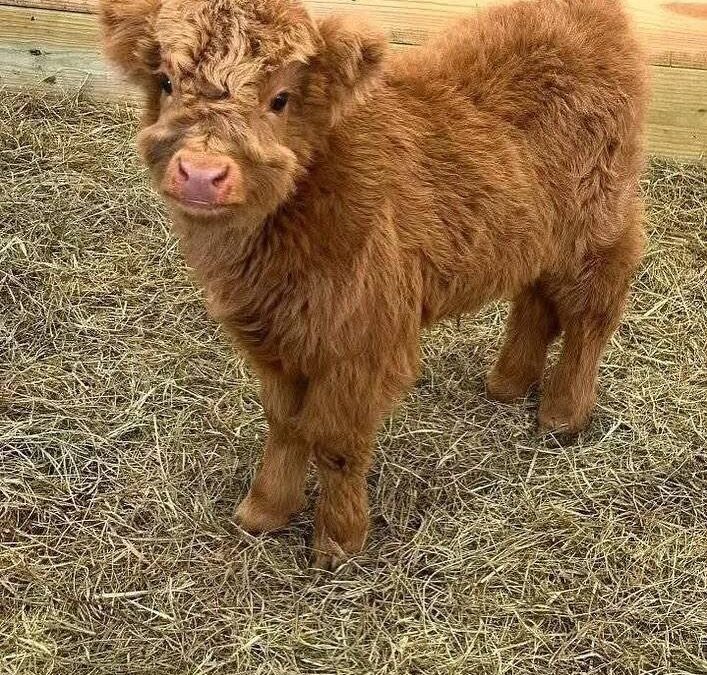
The term mini cow refers to a smaller-sized version of the classic Scottish Highland cattle. These little bundles of fluff have all the personality of their full-size counterparts but in a more compact and manageable body. Because of their smaller size, they’re often easier to house, feed, and handle—while still giving you that rustic, charming farm aesthetic. Some breeders specialise in mini versions to meet demand, and you’ll find options listed at places like minicowboyranch.com for further exploration.
A quick breakdown of their defining features:
- Long, shaggy coat (often red, black, or yellow)
- Curved horns (though some may be polled)
- A friendly, docile temperament compared to many larger cattle breeds
- Smaller stature than conventional Highland cattle, yet robust and hardy
Because they are compact and hardy, a mini cow makes an excellent choice for small farms, hobby farms, or even as a unique addition to a larger property. For those considering one, check out reputable breeders and listings like those on minicowboyranch.com.
The Fascinating Origins of the Highland Breed
To understand why the mini cow is so special, it helps to know the background of the full-size breed. The iconic Highland cattle originated in Scotland’s rugged Highlands and Islands, known for their ability to thrive in harsh environments. Over time, selective breeding focused on retaining the hardy characteristics while also refining appearance, temperament, and size. From there, breeders developed smaller lines that became the modern “mini” version. If you’re exploring sourcing one, minicowboyranch.com can provide examples of available mini highland cow stock.
What makes the original Highland breed so resilient also carries over into the mini version: thick double coat, strong constitution, and ability to forage efficiently. Because of that, the mini highland cow offers both novelty and functional benefits.
Why Choose a Mini Highland Cow? Top Benefits
If you’re wondering whether investing in a mini highland cow is worth it, here are some compelling advantages:
1. Size and Manageability
Compared to standard Highland cattle, the mini highland cow is smaller and easier to handle—which means less heavy infrastructure, easier fencing, and generally lighter feed demands.
2. Aesthetic Appeal & Value
Let’s face it: a mini highland cow is a show-stopper. Their shaggy hair, gentle demeanour, and small size make them perfect for agritourism, hobby farms, or simply as a unique companion animal. If you admire them as much as we do, you can browse more details on minicowboyranch.com.
3. Hardiness & Efficiency
They retain the hardy traits of their larger ancestry—able to thrive in less fertile pasture, adaptable to different climates, and efficient at converting forage.
4. Lower Investment, Smaller Footprint
Because they are smaller, you’ll generally need less feed, smaller shelter space, and fewer resources, making a mini highland cow a more feasible addition for smaller acreage properties.
5. Friendly Temperament
Many owners report that mini highland cows are calm, curious, and friendly—making them accessible even for those new to cattle-keeping.
If you’re looking to explore credible sources, minicowboyranch.com offers further information about breeders and availability of mini highland cow stock.
What to Consider Before You Buy
Owning a mini highland cow is exciting, but there’s more to it than just admiration. Here are key factors to check and prepare for:
Space & Shelter
Even though they are “mini”, you still need adequate space for grazing (or secure pasture), shelter from weather, and good fencing (to prevent escapes or predator access).
Feed & Nutrition
While forage is the mainstay, you’ll need to ensure mineral supplements, clean water, and possibly hay during lean seasons. Because they’re efficient, a mini highland cow may cost less to maintain, but you still need consistent care.
Health & Veterinary Care
Ensure you have a local large-animal vet familiar with cattle. Vaccinations, hoof care, parasite control, and regular health checks are essential.
Sourcing & Breeder Reputation
Ensure you buy a mini highland cow from a reputable breeder. Check pedigree, health records, temperament, and breeding practices. Sites like minicowboyranch.com can help you find credible listings.
Legal & Zoning Considerations
Check your local zoning laws or homeowner association rules regarding keeping cattle—even small ones. Proper permits or insurances may apply.
Long-Term Commitment
A mini highland cow can live many years—expect 10-15 years or more with good care. Make sure you’re prepared for that timeframe.
Mini Highland Cow Colour Variations & Unique Traits
One of the most endearing aspects of a mini highland cow is the variety of colours and coat patterns you’ll find. These include:
- Red / ginger: classic look
- Black: sleek and striking
- Silver: lighter, almost grey-white
- Yellow / dun: lighter golden tones
- Brown: rich chocolate tones
Additionally, their horns (if present) add character—curved, wide, and expressive. Some mini highland cows are born polled (hornless), depending on breeding. The mix of colours and traits means each mini highland cow is unique and can be a real personality on your land.
How to Care for Your Mini Highland Cow – A Step-by-Step Guide
Here’s a practical guide to caring for your mini highland cow, from day one to long-term management.
Step 1: Arrival and Integration
When your mini highland cow arrives, let it acclimate:
- Provide fresh water and hay immediately
- Introduce to the pasture gradually
- Give a quiet, stress-free environment for the first few days
Step 2: Daily Routine
- Check water and forage daily
- Monitor for signs of distress, lameness, or unusual behaviour
- Ensure clean bedding or shelter, especially in wet/cold climates
Step 3: Weekly/Monthly Care
- Inspect hooves and trim if necessary
- Check mineral supplement availability
- Observe coat and skin for parasites or irritation
Step 4: Seasonal Care
- Winter: Provide shelter, windbreak, extra hay if grazing is limited
- Summer: Ensure shade, fly control, regular water access
- Spring/fall: Watch for transitional stress, check for calving (if breeding), maintain dental/hoof checks
Step 5: Breeding & Calving Considerations
If you plan to breed your mini highland cow:
- Choose a reputable bull or embryo source
- Track gestation period (~9 months)
- Prepare a safe calving area
- Monitor for postpartum issues and ensure the calf is bonding/feeding
Common Questions About Mini Highland Cows
Here are some frequently asked questions (FAQs) about the mini highland cow:
FAQ 1: How small is a mini highland cow compared to a standard Highland?
A mini highland cow is significantly smaller—though exact size varies by breeder. Generally they may weigh less and stand lower at the shoulder. Always verify actual measurements with the breeder.
FAQ 2: Are mini highland cows good for beginners?
Yes—many beginners can manage a mini highland cow thanks to their manageable size and generally docile nature. But “beginner” doesn’t mean no effort: you still need to provide proper care, shelter, and feed.
FAQ 3: What’s the cost of owning a mini highland cow?
Costs include purchase price, fencing, shelter, feed (hay/forage), veterinary care, and routine maintenance. While lower than large cattle, you still should budget for proper care.
FAQ 4: How much land do I need?
While they need less land than larger breeds, they still require adequate space for grazing and movement. Depending on your climate and pasture quality, 1–2 acres (or more) may be a minimum.
FAQ 5: Where can I buy a reliable mini highland cow?
Look for reputable breeders, ask for health/pedigree records, visit in person if possible, and talk to current owners. A good starting point is minicowboyranch.com for listings and breeder contacts.
FAQ 6: Are mini highland cows noisy or aggressive?
No—they are generally peaceful and curious animals. Like any livestock, temperament depends on handling, socialisation, genetics and environment.
FAQ 7: Do mini highland cows require special shelter because of the shaggy coat?
Their shaggy coat offers good insulation, but they still need dry shelter, especially to avoid muddy conditions or extreme heat. Good ventilation and dry bedding are key.
Risks and Challenges to Consider
While the mini highland cow comes with many advantages, you should be aware of potential challenges:
- Underestimating long-term fodder needs during drought or winter
- Inadequate fencing—smaller cattle sometimes exploit weaker infrastructure
- Not budgeting for vet/hoof issues—just because they’re mini doesn’t mean risk-free
- Zoning/neighbor concerns—some areas restrict cattle, regardless of size
- Overlooking climate suitability—some mini highland cows may need extra care in extreme heat
Making the Most of Your Mini Highland Cow – Tips & Tricks
Here are some insider tips to optimise your experience:
- Rotate pastures regularly to keep forage fresh and reduce parasites
- Use friendly human interaction to build a calm, trust-based animal
- Consider companion animals (like a mini highland cow with a goat or sheep) for social enrichment
- Use captured “cute” moments (photography, drone shots) to enhance agritourism or social media presence
- Keep detailed records of feed, health and pasture usage for data-driven decisions
Mini Highland Cow and Sustainability
If you care about sustainable farming, the mini highland cow fits well because:
- Their efficient forage usage can reduce the need for intensive feed
- Their hardy nature means less intervention and lower external inputs
- They can fit into diversified farms (with pasture, agroforestry, small-scale production)
- They offer educational/visitor appeal for sustainable-theme farms
Bringing It All Together
When you decide to add a mini highland cow to your farm or property, you’re investing not just in an animal, but in a lifestyle. A smaller-sized bovine with personality, resilience and charm. With the right preparation—good shelter, fencing, forage and vet care—you’ll be set up for success.
If you’d like to explore real-world listings or breeders, minicowboyranch.com is a great place to start. Their listing information can help you compare breeders, verify pedigrees, and plan your setup.
Final Thoughts
In summary: the mini highland cow is one of the most delightful, manageable cattle breeds you can bring home today. From their fluffy coats to their resilient nature and compact size—they’re uniquely positioned for hobby farms, small acreage operations or even agritourism ventures. By aligning with best-practice care and sourcing from reputable breeders like those listed on minicowboyranch.com, you’ll be opening the door to one of the most rewarding farm additions imaginable.
Don’t wait—consider why you might want a mini highland cow, map your space and budget, and reach out to breeders. Once you do, you’ll likely find yourself saying: “Why didn’t I do this sooner?”